Original: $36.00
-65%$36.00
$12.60The Story
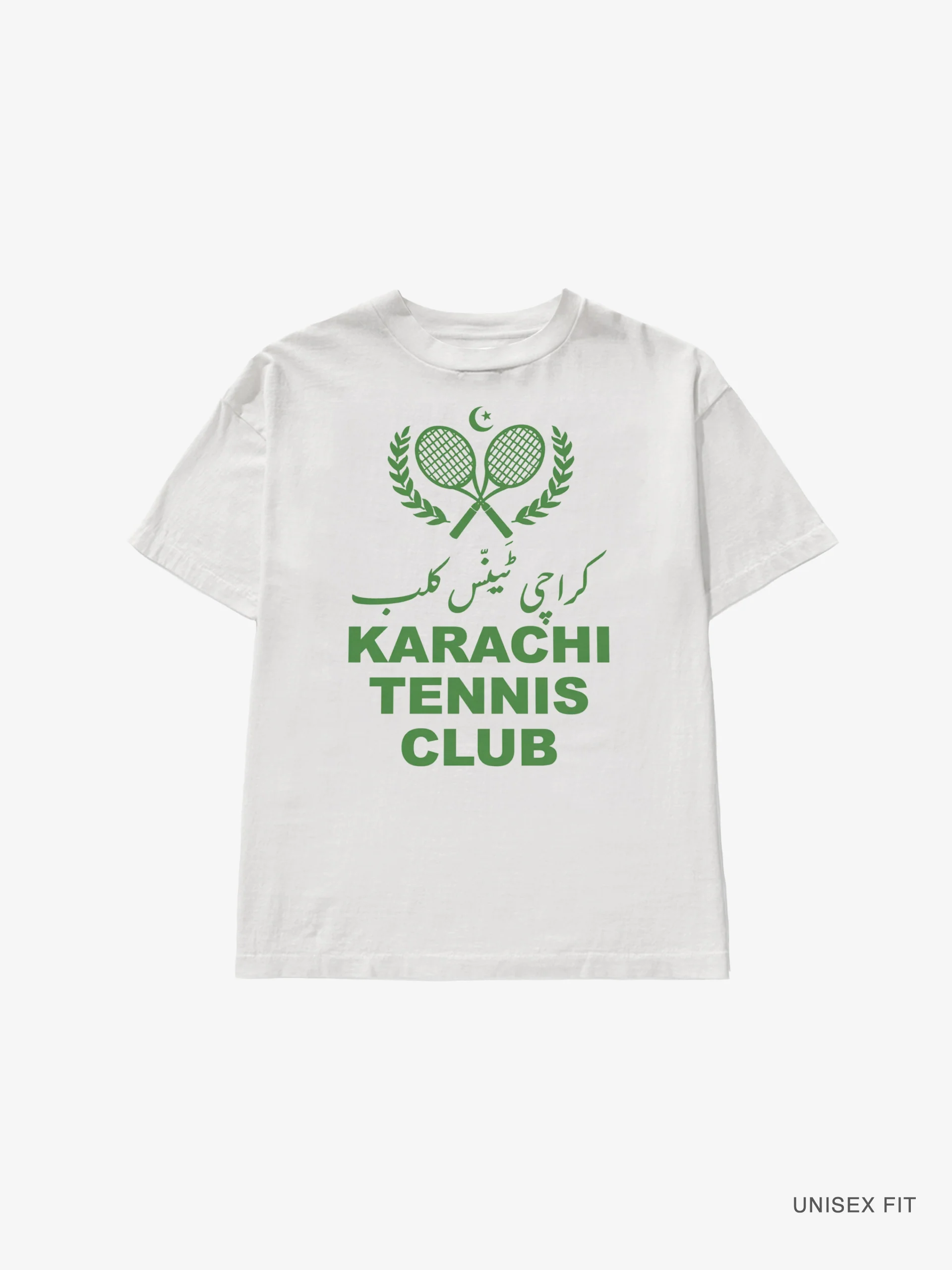
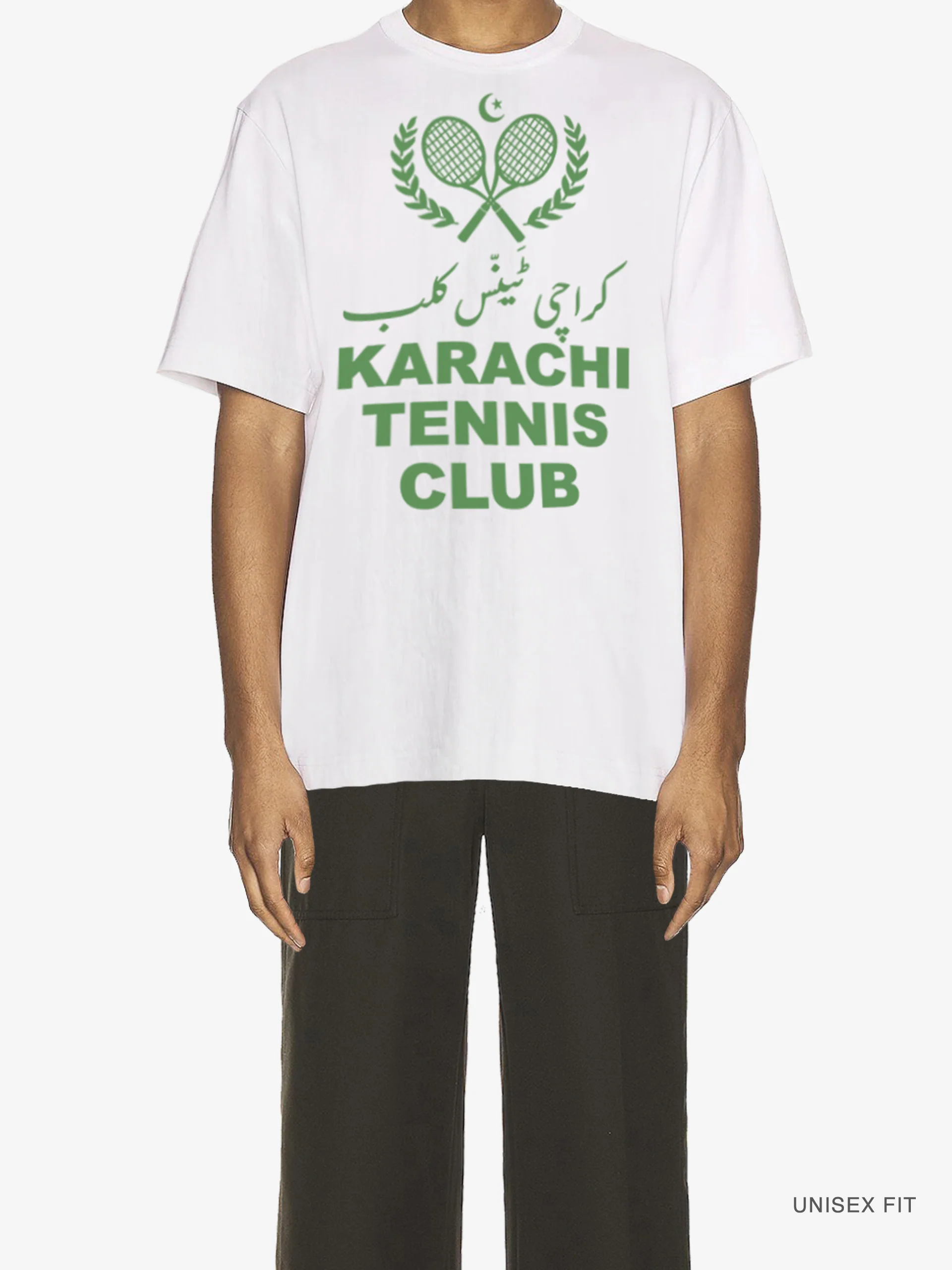
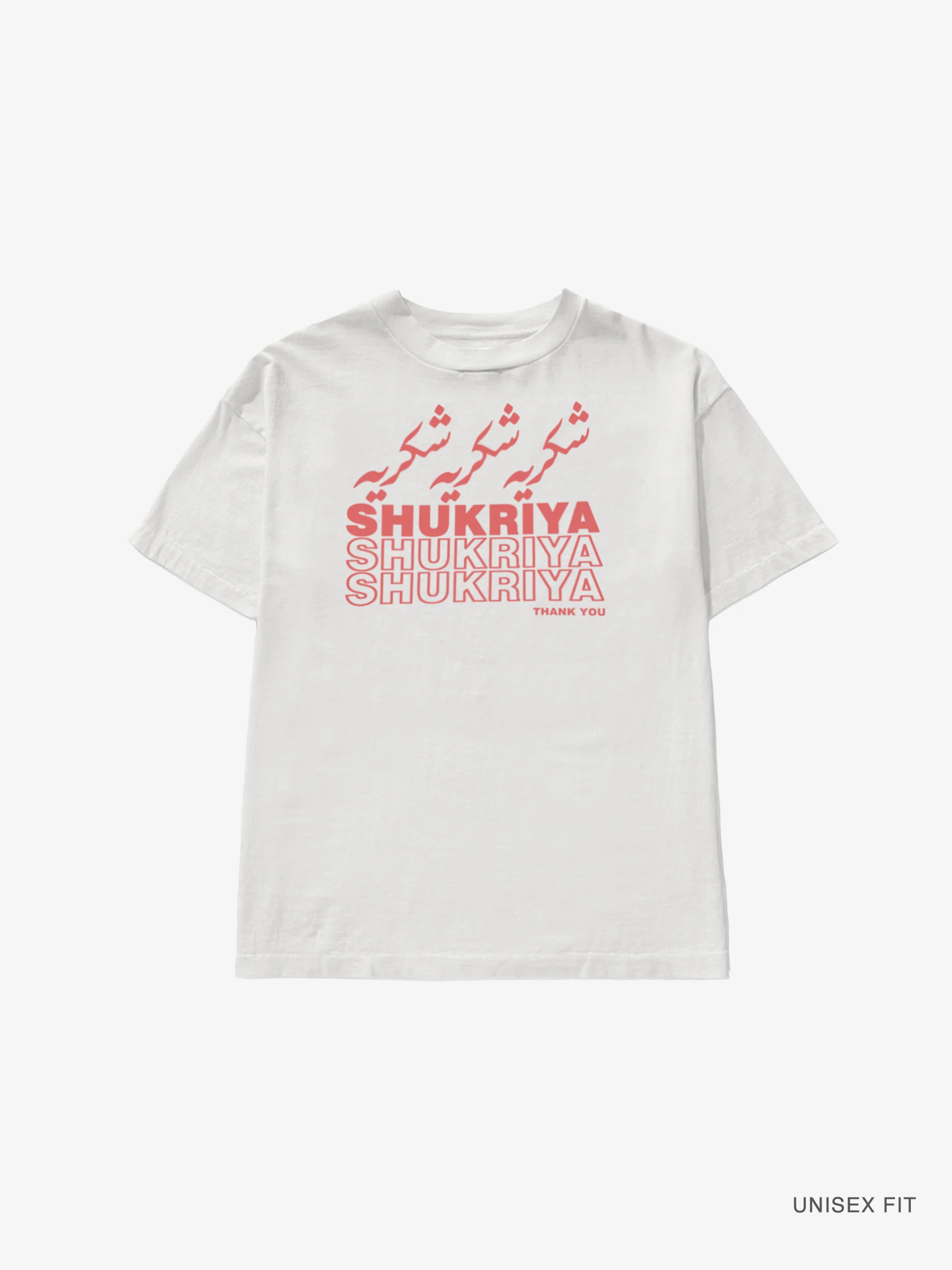
Garment Dye is a special pre-shrunk fabric treatment process to achieve a softer and more vintage feel for the tee, resulting to a better quality & elevated product.
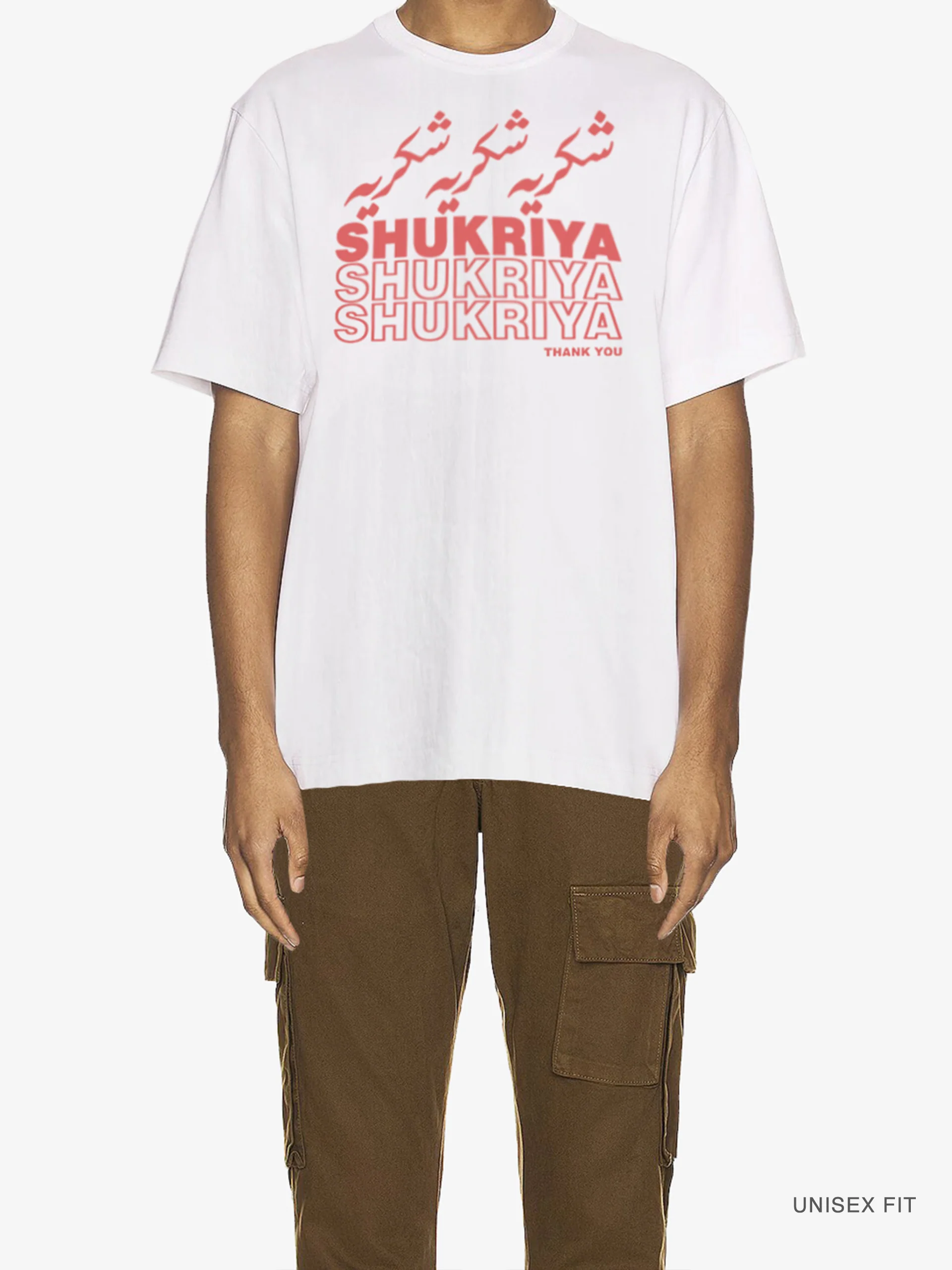
• Urdu Reads: "Shukriya" (Thank You)
• 100% Ring-Spun Cotton Garment Dyed Tee
• Fabric Weight: 6.1 oz/yd²
• DTG Print Technique on Sourced Tee
• Size Up for Oversized Fit. See Guide.
The earliest bazaars in Pakistan can be traced back to the Mughal Empire, which ruled the region from the 16th to the 19th century. During this time, cities such as Lahore, Peshawar, and Karachi became important centers of trade and commerce
Today, bazaars remain an integral part of Pakistani culture, recognized to many people as the beating heart of the city. One of the most popular bazaars in Pakistan include Anarkali Bazaar located in Lahore, known to be not only the oldest and most historic bazaar in Pakistan, but the entire subcontinent.
During its early origin, Anarkali Bazaar was known to be the "Bazaar-i-Musaqaf," which means the "marketplace of the learned." It was a hub for intellectuals, poets, and writers, who would gather to exchange ideas and engage in intellectual debates. Over time, the bazaar evolved and expanded, and by the time of the British Raj in the 19th century, it had become known as Anarkali Bazaar which remains a bustling commercial center.
Anarkali Bazaar is named after a legendary figure who is said to have lived during the Mughal era in the 16th century. According to the legend, Anarkali was a dancer in the court of the Mughal emperor Akbar. She was said to be very beautiful, and the emperor's son, Prince Salim, fell in love with her. However, their love was forbidden, and when Akbar found out about their relationship, he ordered Anarkali to be buried alive in a wall. The story of Anarkali has been retold in many works of literature, film, and art, and she has become a symbol of love and sacrifice in Pakistani and Indian culture.
The Anarkali Bazar is a popular tourist destination, attracting many visitors each year who come to experience its historical architecture, sites, and vibrant atmosphere on the narrow streets of the market.
Details & Craftsmanship
Every detail has been carefully considered to bring you the perfect product.
Description
Garment Dye is a special pre-shrunk fabric treatment process to achieve a softer and more vintage feel for the tee, resulting to a better quality & elevated product.
• Urdu Reads: "Shukriya" (Thank You)
• 100% Ring-Spun Cotton Garment Dyed Tee
• Fabric Weight: 6.1 oz/yd²
• DTG Print Technique on Sourced Tee
• Size Up for Oversized Fit. See Guide.
The earliest bazaars in Pakistan can be traced back to the Mughal Empire, which ruled the region from the 16th to the 19th century. During this time, cities such as Lahore, Peshawar, and Karachi became important centers of trade and commerce
Today, bazaars remain an integral part of Pakistani culture, recognized to many people as the beating heart of the city. One of the most popular bazaars in Pakistan include Anarkali Bazaar located in Lahore, known to be not only the oldest and most historic bazaar in Pakistan, but the entire subcontinent.
During its early origin, Anarkali Bazaar was known to be the "Bazaar-i-Musaqaf," which means the "marketplace of the learned." It was a hub for intellectuals, poets, and writers, who would gather to exchange ideas and engage in intellectual debates. Over time, the bazaar evolved and expanded, and by the time of the British Raj in the 19th century, it had become known as Anarkali Bazaar which remains a bustling commercial center.
Anarkali Bazaar is named after a legendary figure who is said to have lived during the Mughal era in the 16th century. According to the legend, Anarkali was a dancer in the court of the Mughal emperor Akbar. She was said to be very beautiful, and the emperor's son, Prince Salim, fell in love with her. However, their love was forbidden, and when Akbar found out about their relationship, he ordered Anarkali to be buried alive in a wall. The story of Anarkali has been retold in many works of literature, film, and art, and she has become a symbol of love and sacrifice in Pakistani and Indian culture.
The Anarkali Bazar is a popular tourist destination, attracting many visitors each year who come to experience its historical architecture, sites, and vibrant atmosphere on the narrow streets of the market.